

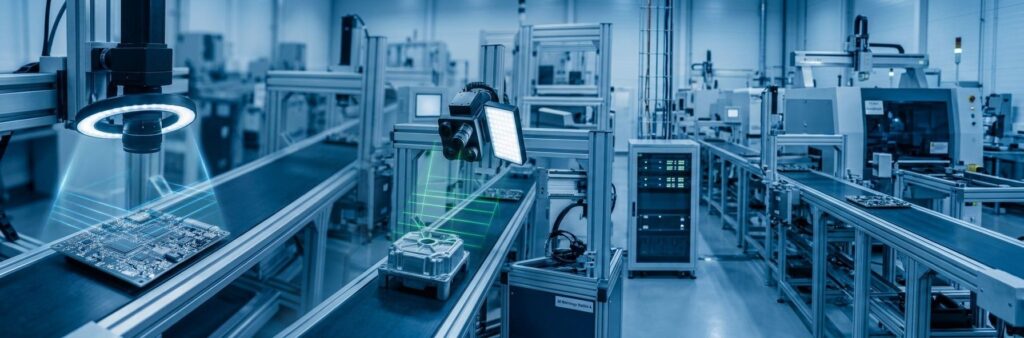
Bespoke Test Automation: Can Machine Vision Find All Faults?
Machine vision is a powerful part of bespoke test automation, but it cannot find every type of fault. A camera can only assess features that are visible, presented within its field of view and made distinguishable by the lighting and optics used.
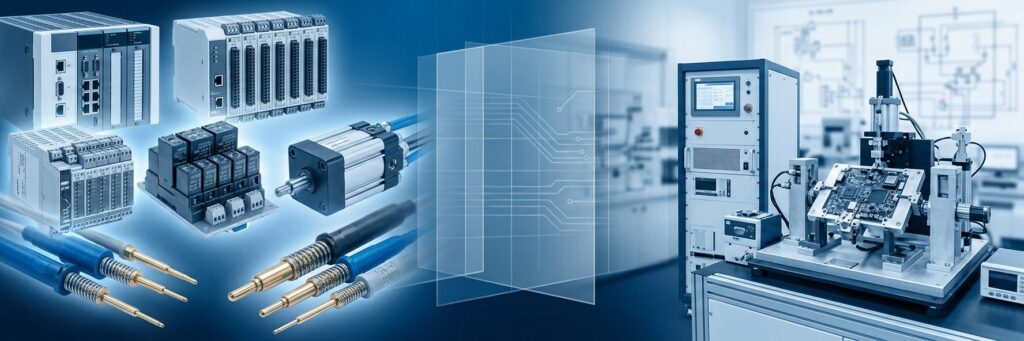
What Is Automated Test Equipment (ATE)? A Technical Overview
Manufacturers need reliable ways to confirm that finished products meet their required performance and quality standards before leaving the production line. End of line testing plays an important role in this process, using defined checks to identify defective components and verify that products function as intended.
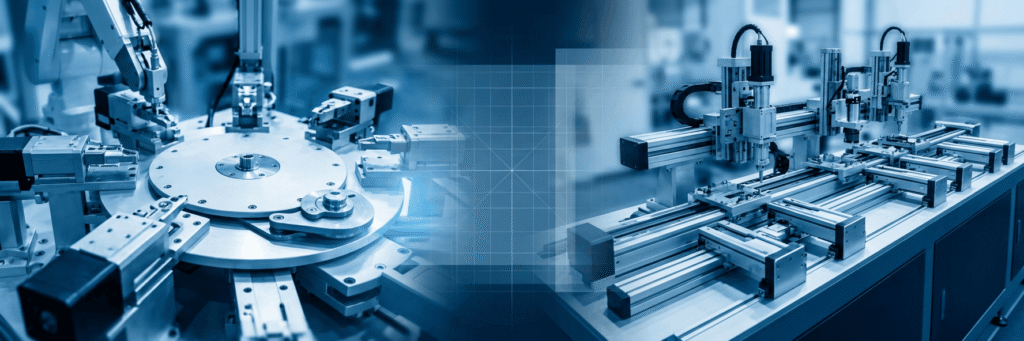
Rotary vs. Linear Assembly Machines: How To Choose The Right Architecture
One of the earliest decisions in automated assembly line systems is how parts will move between operations. Two common architectures are rotary indexing systems and linear transfer systems. Both can support assembly, testing and inspection, but they use floor space, tooling and transfer equipment in different ways.
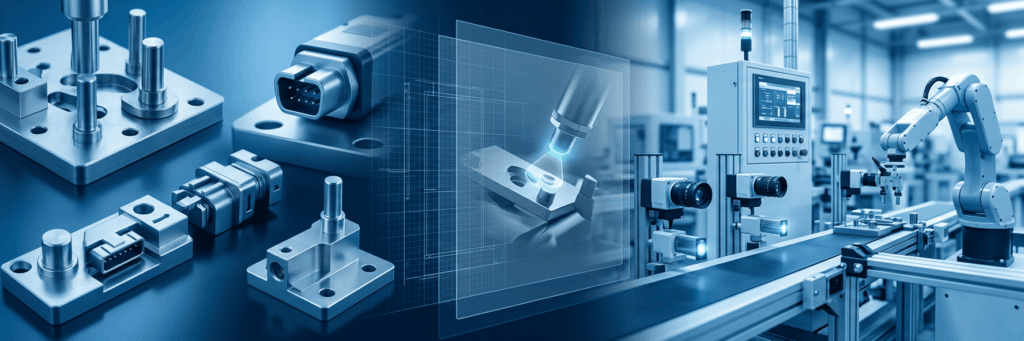
What is Poka-Yoke?
In manufacturing, even a small assembly mistake can lead to rework, production delays or a defective product reaching the customer. Poka-yoke is an engineering principle designed to prevent these errors before they affect product quality.
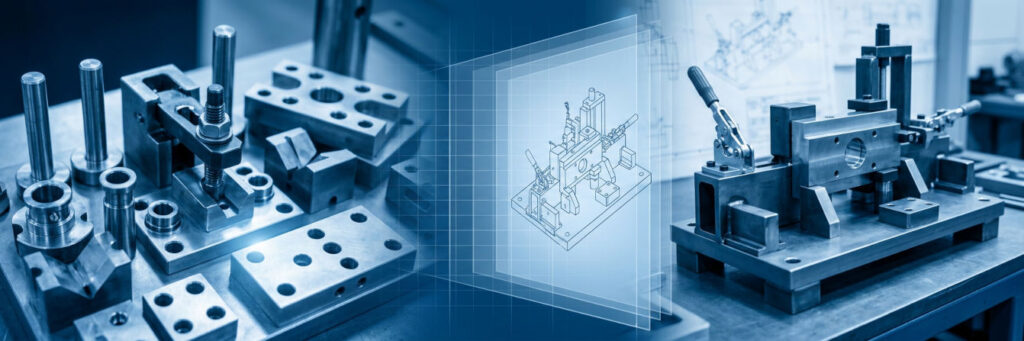
What Makes Good Fixture And Jig Design For Special Purpose Machinery?
Good fixture and jig design is fundamental to the performance of special purpose machinery. A fixture must locate and hold a component accurately and repeatably while allowing operators, tooling and maintenance teams to access it safely and efficiently. Poor design can introduce variation, increase wear and make faults harder to diagnose.
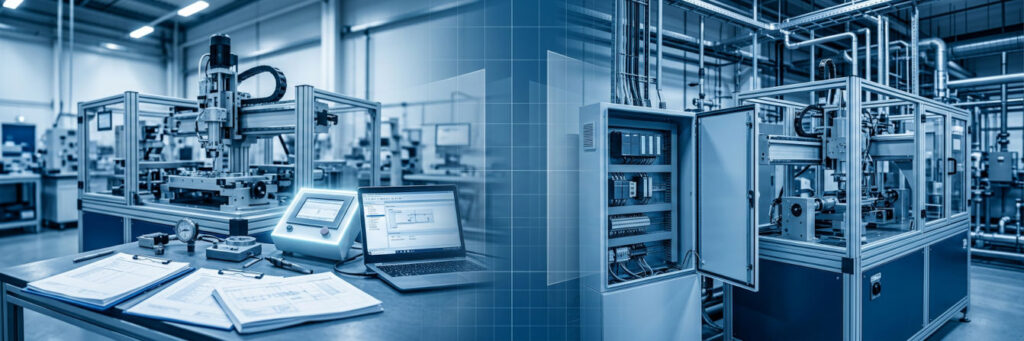
Factory Acceptance Test vs Site Acceptance Test: What Each Test Proves
The factory acceptance test and site acceptance test process verifies that new machinery meets its agreed specification before shipment and performs correctly after installation.
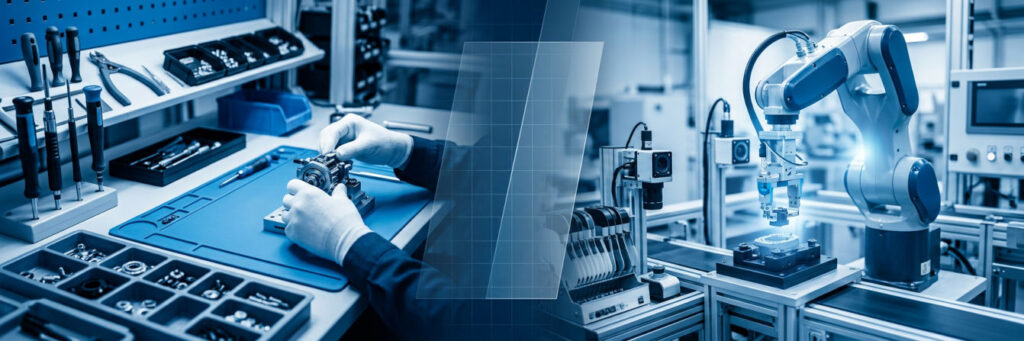
Manual vs Automatic Assembly: When to Choose Automated Assembly Systems
Manual assembly is generally better suited to lower-volume, changeable or judgement-heavy processes. Automated assembly systems are usually a stronger fit when the process is stable and production volumes, takt time, quality requirements and labour savings justify the investment.